


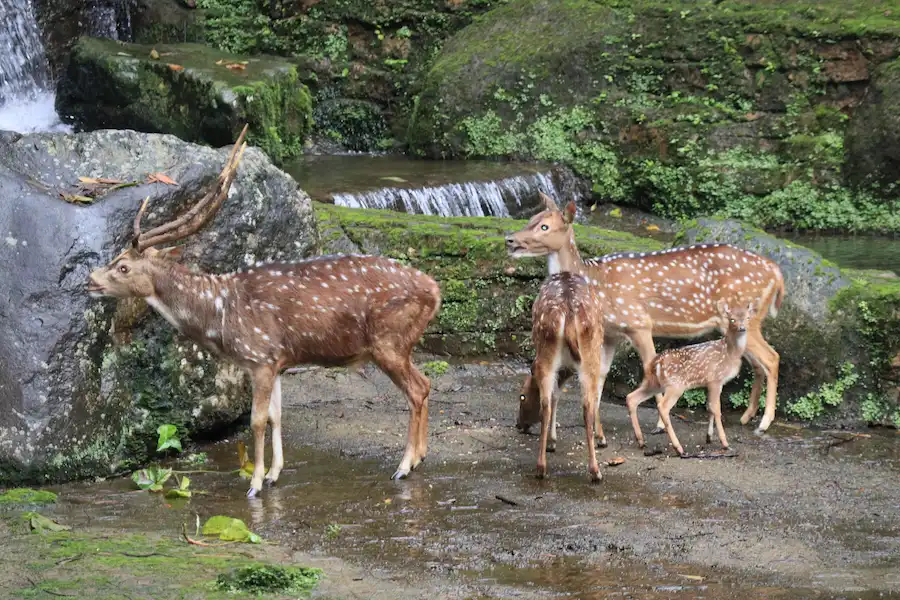
Many mammals are herbivores that rely strictly on plants, grasses, leaves, and fruits for their daily survival. Taman Safari Bogor serves as a dedicated conservation park where visitors can learn about various herbivorous species. The park offers an opportunity to observe these plant-eating species up close in open range, naturalistic habitats. Visitors can witness remarkable natural behaviors while touring the scenic mountain grounds.
From massive land giants like elephants and rhinos to specialized bamboo eaters like the giant panda, herbivorous mammals have evolved unique biological features. They possess specialized digestive systems and anatomical traits explicitly designed to thrive on plant diets. Visiting these animals in an immersive conservation environment allows nature lovers to appreciate their crucial ecological role. Plant-eating mammals play a vital part in sustaining healthy natural ecosystems around the globe.
How Have Herbivorous Mammals Evolved to Process Plant Diets?
Herbivorous mammals have developed fascinating physical and biological adaptations over millions of years. These specialized evolutionary traits allow plant-eating species to process tough, fibrous plant material efficiently. Understanding these biological mechanisms provides valuable insight into how different species thrive in their natural habitats.
Specialized Teeth and Jaw Structures
Plant-eating species possess wide, flat molars designed to crush, grind, and pulverize fibrous leaves, bark, and grasses. Unlike carnivores with sharp fangs, herbivores lack large canine teeth in their jaws. Instead, they feature specialized incisors designed for clipping vegetation clean off branches. This unique dental structure enables them to process tough plant matter prior to digestion.
Complex Digestive Systems and Ruminant Stomachs
Many herbivores, such as cows, deer, and giraffes, possess multi-chambered stomachs or complex digestive tracts. These sophisticated anatomical features allow them to ferment and efficiently break down tough cellulose fibers. Specialized gut bacteria enable these species to extract essential nutrients and energy from seemingly low-calorie plant matter. Consequently, herbivorous mammals can maximize energy intake from fibrous vegetation.
Hooves and Anti-Predator Adaptations
Many land-dwelling herbivores possess sturdy hooves rather than sharp claws on their feet. This structural adaptation optimizes their running speed and endurance across open habitats. It allows them to swiftly flee from natural predators when navigating varied wilderness terrain. Combined with keen senses, hooves give these gentle creatures a vital survival edge in the wild.
Herbivorous Mammals You Can See at Taman Safari Bogor
Our expansive safari grounds are home to a diverse selection of plant-eating species from around the world. Below is a curated list of iconic mammal herbivores you can observe during your visit:
- Asian Elephant: Massive land mammals that consume large quantities of grass, leaves, bark, and fresh fruit daily.
- Spotted Deer: Herding herbivores easily recognized by their white-spotted coats, frequently seen roaming and grazing in open-range habitats.
- Giraffe: Towering herbivores utilizing long necks and prehensile tongues to strip high acacia leaves from branches.
- Zebra: Grazing mammals with specialized teeth built for cropping tough savannah grasses cleanly.
- Southern White Rhinoceros: Massive land grazers specifically adapted to feeding on low-lying vegetation and ground grasses.
- Hippopotamus: Semiaquatic herbivores that emerge at dusk to graze on lush riverbank pastures.
- Giant Panda: Specialized bamboo consumers with adapted wrist bones that function like thumbs to grip bamboo stalks.
Check to learn about primary plant diets and specialized on site interaction opportunities.
| Species Name | Primary Plant Diet | On-Site Interaction Opportunity |
| Asian Elephant | Grass, leaves, bark, and fresh fruits | Guided feeding sessions & educational talks |
| Giraffe | High tree leaves and foliage | Close-up platform feeding experiences |
| Giant Panda | Fresh bamboo stalks and leaves | Observation at Istana Panda indoor habitat |
Supporting Global Wildlife Conservation and Ethical Care
Taman Safari Bogor is a recognized national and international conservation institution dedicated to wildlife preservation. Our park actively leads critical breeding programs and natural habitat protection initiatives for endangered species. Every habitat is carefully constructed to replicate natural wild environments while promoting animal well-being. These ongoing efforts ensure safe havens for rare species.
All animal welfare protocols and enrichment activities operate under strict professional oversight. We adhere to standards monitored by PKBSI and KLHK at the national level. Furthermore, our institution maintains active accreditations with international bodies like WAZA and SEAZA. Observing these species directly supports vital research, rehabilitation, and long-term species preservation efforts.
Plan Your Wildlife Discovery Adventure Today
Exploring open-range habitats provides an immersive experience when driving through open-range habitats filled with roaming wildlife. Watching magnificent plant-eating mammals graze freely in lush green surroundings creates unforgettable memories for every visitor. An ethical safari journey offers an unmatched educational experience for wildlife lovers and families of all ages.
Plan your educational journey and meet fascinating plant-eating mammals at Taman Safari Bogor today. We invite you to explore animal feeding schedules and conservation presentations on the official park portal before arriving. Check the latest admission prices and book your entry passes directly via the Taman Safari Bogor Booking Page.