


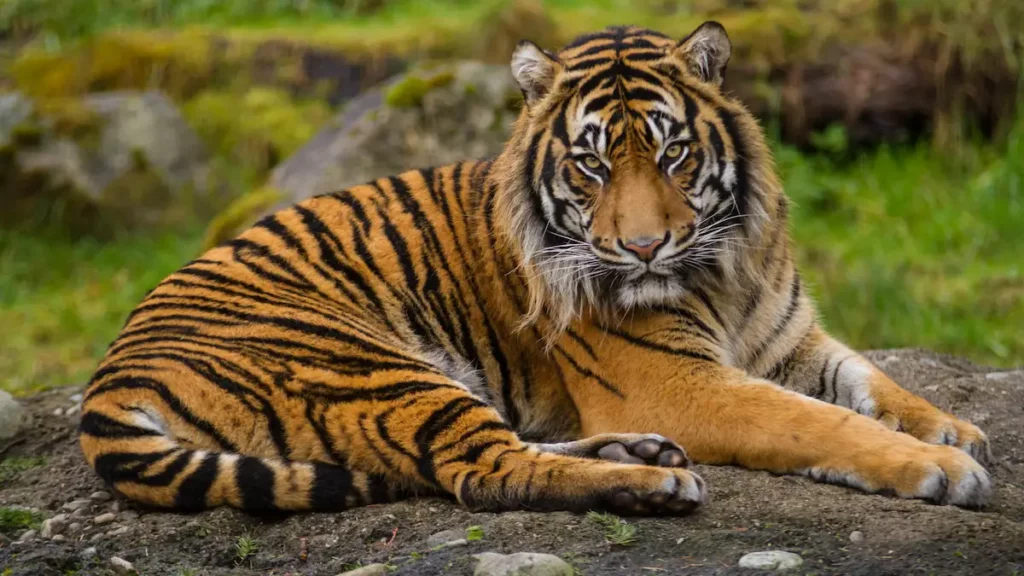
International Tiger Day, observed every 29 July, exists to raise public awareness about protecting tiger populations and the habitats they depend on. The day was established at the Saint Petersburg Tiger Summit in 2010, when governments and conservation bodies committed to a global framework to halt the decline of wild tiger numbers. It functions as both a call to action and a yearly progress check on how that commitment is holding.
The event is widely known as World Tiger Day, and the focus shifts each year to a specific pressure point: habitat loss, illegal wildlife trade, or the need for stronger cross-border protection. What it does consistently is draw attention from governments, research institutions, and the public at once. That simultaneous attention matters, because the threats tigers face do not respect national borders.
The Scale of What Has Already Been Lost
Three tiger subspecies disappeared entirely in the twentieth century: the Bali tiger, the Javan tiger, and the Caspian tiger are all now confirmed extinct. Their loss was the cumulative result of unchecked environmental pressures that continue to threaten big cats today.
Key Threats Facing Remaining Subspecies
Understanding these past losses highlights the urgent need to address the following critical threats that continue to endanger the world’s surviving tiger populations.
- Habitat Fragmentation: Rapid land conversion isolates distinct populations, making genetic exchange between groups incredibly difficult.
- Shrinking Gene Pools: Tigers unable to safely migrate between territories eventually reproduce within a restricted pool, leading to inbreeding depression.
- Direct Poaching: Illegal wildlife trade inflicts direct mortality rates on top of structural habitat loss, outpacing natural recovery cycles.
International Tiger Day serves a vital practical function by actively mobilizing conservation funding, sharpening political focus, and giving field researchers a global platform to share successful management strategies.
Why Losing a Tiger Changes Everything Else
Tigers are classic apex predators and vital umbrella species. Their presence at the top of the food chain protects the entire ecosystem within their enormous home ranges.
- Trophic Cascade Regulation: Tigers keep populations of herbivores like deer and wild pigs in balance. This active regulation prevents overgrazing, protecting the structure of the forest floor.
- Umbrella Conservation Effect: Because a single tiger requires a massive habitat to survive, securing their territory automatically saves thousands of other cohabiting species, including birds, reptiles, and plants.
Protecting the Sumatran tiger in its native rainforests directly shields the endangered Sumatran orangutan, the Sumatran elephant, and hundreds of rare plant species found nowhere else on earth. The tiger acts as the ultimate ecological argument for preserving an entire landscape.
Sumatran Tigers and the Genetic Record Indonesia Carries
As the final surviving tiger subspecies in Indonesia, the Sumatran tiger carries the entire remaining genetic heritage of the archipelago’s native big cats.
| Tiger Subspecies | Primary Geographic Range | Critical Survival Challenges |
| Sumatran Tiger | Sumatra, Indonesia (Lowland forests) | Acute habitat crisis driven by decades of severe forest fragmentation. |
| Bengal Tiger | Indian subcontinent & parts of SE Asia | Frequent human-wildlife conflicts inside highly dense, populated landscapes. |
Maintaining genetic diversity between these remaining lineages is an incredibly demanding branch of modern wildlife science. Accredited institutions use professional monitoring systems, international studbooks, and highly coordinated transfers to keep populations viable. This rigorous, science-based protocol ensures the global zoological community avoids inbreeding depression and keeps lines healthy.
Science-Based Breeding as a Safety Net
Captive breeding programmes function as a crucial genetic insurance policy. They are designed to act as a secure safety net, preserving genetic material and living individuals should wild populations face catastrophic drops. These efforts are built upon three core mechanics:
- Demographic Tracking: Keeping thorough multi-generational records to identify individuals carrying rare or resilient genetic traits.
- Strategic Pairing: Choosing pairs scientifically to ensure the highest possible genetic diversity rather than simply increasing cub numbers.
- Global Collaboration: Aligning data and moving individuals safely via frameworks managed by international bodies like WAZA (World Association of Zoos and Aquariums), SEAZA (South East Asian Zoos and Aquariums Association), and PKBSI (Indonesian Zoo and Aquarium Association).
Tiger Conservation at Taman Safari Bogor
Taman Safari Bogor operates strictly within these prestigious global accreditation frameworks, with all breeding and welfare activities fully monitored by Indonesia’s Ministry of Environment and Forestry (KLHK).
Instead of traditional enclosures, the park utilizes a spacious drive-through format. This design ensures the tigers roam through large habitats scaled specifically to their natural territorial behaviors. Seeing a Sumatran tiger move confidently across an open hillside completely reframes a visitor’s understanding of what wildlife preservation truly means. The park’s daily educational presentations bridge this visual experience with field data, detailing the realities of managing a successful breeding sanctuary in a country that has already lost two of its native subspecies.
International Tiger Day reminds us that these magnificent big cats still roam Indonesia because of deliberate, organized choices to protect them. Are you ready to witness these incredible apex predators firsthand and support the vital work keeping them alive? Make a profound impact on global biodiversity by bypassing the gate queues and booking your family adventure directly through the official Taman Safari Bogor Ticket Reservation.