


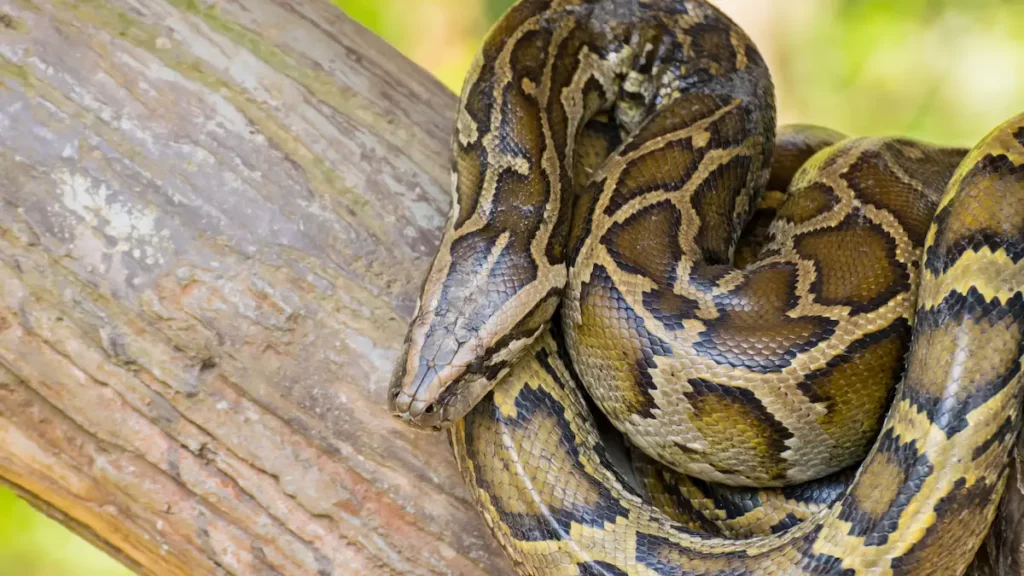
World Snake Day, observed every 16 July and also known as International Snake Day, exists as a global platform to raise awareness of snakes’ genuine conservation needs and their widely misunderstood nature. In fewer than 60 words, the answer is this: snakes face habitat loss, human persecution, and declining populations, and this annual date invites people worldwide to look past fear and pay attention to the biology, the ecology, and the survival of these animals.
The day unites conservationists, field researchers, wildlife educators, and ordinary nature enthusiasts in a shared effort to reframe the conversation around snakes. Fear has driven unnecessary killing for centuries. World Snake Day pushes back against that pattern by putting accurate, respectful information in front of a wider audience. It is not a celebration in the festive sense. It is a call to pay attention.
Why This Day Has Global Reach
No single conservation body owns International Snake Day. That distributed nature is part of what gives it reach. Herpetological societies, zoo education teams, wildlife parks, and individual researchers each mark the date in their own way, which means the message travels far beyond any single institution’s network. The cumulative effect is a public-facing moment when factual, grounded information about snakes competes with the sensationalised content that usually dominates. The ecological case is a strong one, and educators use this platform to make it clear:
- Agricultural Shield: Snakes keep rodent populations in check, which directly reduces crop damage and protects agricultural yields.
- Disease Prevention: Lowering rodent densities minimizes the transmission pathways of dangerous rodent-borne diseases.
- Food Web Stability: They sit firmly in the middle of food webs, operating both as efficient predators and as vital prey for raptors, large mammals, and other reptiles.
Removing them from a landscape has measurable consequences. That is not a theoretical concern for many farming regions across Southeast Asia, where snake decline correlates directly with increased rodent pressure on harvests. International Snake Day draws sharp focus to the legal and illegal trade in snakes, their use in traditional medicine, and the destruction of forest habitats. Awareness alone does not fix these pressures, but it is the baseline where policy and individual behavior change begin.
What Actively Drives the Fear of Snakes
Fear of snakes is real. Researchers have documented it as one of the most common specific phobias across human populations, and there is clear evidence it has deep evolutionary roots. Acknowledging that reality is far more useful than dismissing it. However, the constructive question to ask is: what does that fear cost when it translates into negative action?
- Persecution Patterns: Snakes are routinely killed on sight, whether they are venomous or not, and regardless of their proximity to human dwellings.
- Natural Instincts: Most snakes encountered in gardens, fields, and forest paths are non-venomous and far more interested in retreating than confronting humans.
- Vibration Detection: Their advanced sensory apparatus picks up structural vibrations through their jaws and belly scales, meaning they usually sense a human long before any visual contact occurs.
Education fundamentally shifts this defensive response. People who understand how a snake reads its surroundings, how it moves, and what it is actually doing when it holds its ground (usually a defensive threat display, not an act of aggression) tend to react with calm awareness.
When the reflex of fear is set aside, their unique biological adaptations are genuinely fascinating. They rely on precise evolutionary solutions to specific biological problems, such as infrared-sensing pit organs in pythons to detect thermal signatures, hollow fangs that work exactly like hypodermic needles, and highly flexible skulls that allow them to swallow prey larger than their own heads.
Snakes and the Health of an Ecosystem
A functioning ecosystem has snakes in it. Their absence is a warning sign. Wildlife ecologists rely on snake presence as an indicator of overall environmental health because they require stable prey populations, suitable shelter, and intact habitat to thrive.
| Ecological Role | How It Functions | Practical Benefit |
| Environmental Indicator | Snakes absorb environmental pressure rapidly when habitats degrade, causing their numbers to fall first. | Alerts field researchers to early-stage ecosystem disruptions. |
| Natural Pest Control | A single snake can consume large numbers of rodents across a single season. | Delivers highly effective agricultural pest control at zero chemical cost. |
| Biodiversity Anchors | Regulate insects and small vertebrates while serving as a food source for apex predators. | Prevents dangerous ecological gaps that can ripple through local wildlife chains. |
Indonesia’s diverse landscapes, spanning from lowland rainforests to highland plantation borders, support active snake communities that do this balancing work quietly every single day. World Snake Day serves as the primary moment each year to recognize that contribution.
Indonesia’s Snake Diversity
Indonesia sits within one of the most biodiverse regions on the planet, and its snake fauna strongly reflects that geographical advantage. The archipelago supports a massive range of species across varied vertical niches:
- Reticulated Pythons: Recognized as some of the largest snakes found on Earth, acting as dominant ground and low-canopy predators.
- Green Pit Vipers: Highly common, uniquely adapted residents of montane forests.
- Green Tree Pythons: Arboreal specialists that utilize strong prehensile tails and bright color patterning to remain nearly invisible against dense forest foliage.
Island geography has driven speciation over millions of years, with distinct lineages evolving across Sumatra, Java, Kalimantan, Sulawesi, and the eastern islands. Many species have highly restricted ranges tied to specific forest types. Because of this extreme localization, deforestation does not just reduce total numbers; it completely deletes entire populations that have nowhere else to relocate. Indonesia’s herpetofauna remains an active area of study, with new species still being formally described.
Snakes at Taman Safari Bogor
Taman Safari Bogor, the original park in the TSI group, sits in the West Java highlands near Cisarua, about two hours from Jakarta by road. Among its world-class conservation facilities is the Reptile Tunnel, a dedicated space where visitors can observe snakes and other reptiles in naturalistic enclosures that prioritize animal welfare alongside visitor access.
The Reptile Tunnel gives visitors close observation access within a managed, secure setting. The environments are meticulously designed to reflect the natural conditions of the species on display, utilizing appropriate native substrates, precise temperature gradients, and secure shelter structures. On-site keepers and education staff are present throughout the day to provide deep context about the animals’ biology, wild ranges, and conservation pressures.
Managed observation matters, especially on a date like World Snake Day. Seeing a reticulated python or a native Javanese species up close in a space where a knowledgeable expert can explain their behavior does more to transform fear into interest than text alone ever could. The park runs these engaging educational presentations alongside its animal habitats to give families and wildlife enthusiasts a practical way to connect with reptile conservation.
Are you ready to look past old myths and discover the fascinating truth about these vital ecological guardians? Elevate your family’s wildlife awareness, experience the incredible Reptile Tunnel firsthand, and secure your entry passes today by finalizing your reservation directly through the official Taman Safari Bogor Ticket Booking before your preferred date fills up!